
Connected and Automated Vehicle (CAV) Program
Program Overview
The Florida Department of Transportation (FDOT) puts safety and mobility at the forefront as it advances the vision of providing a transportation network that is well-planned, supports economic growth, and has the goal of being fatality-free and efficient. To help drive Florida towards this goal, this initiative is focused on the deployment of Connected and Automated Vehicles (CAV) and other related technologies throughout the state. FDOT has begun planning, designing, and deploying multiple pilot programs across Florida, and our partners are developing, testing and implementing innovative CAV technologies that will support the Department's vision.
FDOT is proud to be an active participant in CAV initiatives across the nation by working with a variety of transportation organizations to test and develop cutting-edge technologies. Whether we are serving on multi-state committees, completing infrastructure upgrades to support CAV efforts, or collaborating with public and private industry partners, FDOT is committed to a program that will achieve sustainable safety, mobility, and economic development.
The CAV program leads the statewide implementation of CAV technologies and conducts in-reach and outreach activities to ensure the FDOT CAV program is aligned with the state's vision of improved safety and mobility. The program implements CAV projects, data collection, data sharing and mainstreaming of Connected Vehicle (CV) technologies on FDOT roadways.
Resources
Business Plan
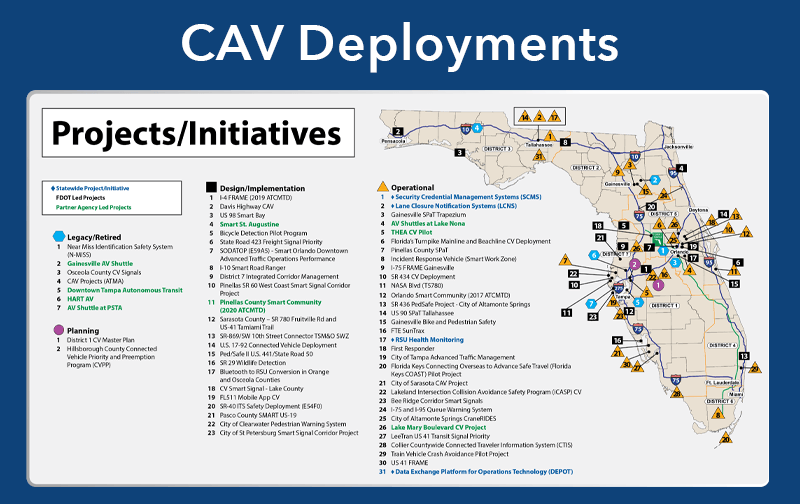
CAV Deployments
CAV Guidance
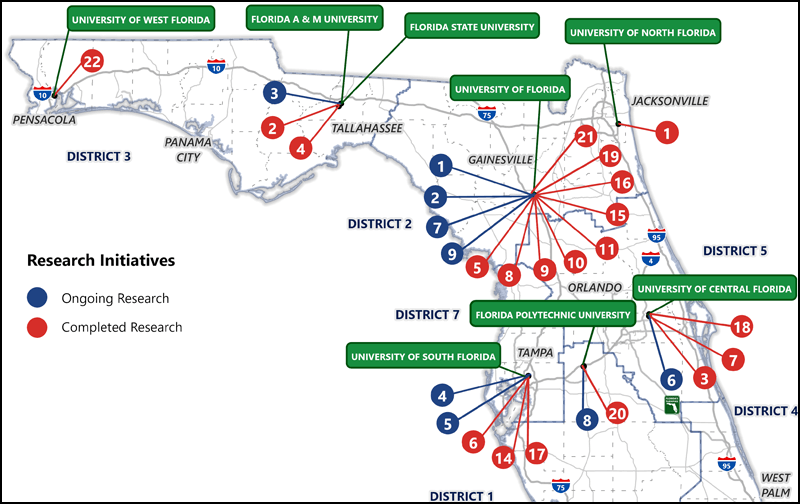
CAV Research Projects
CAV Technology
CAV Training
FAQs
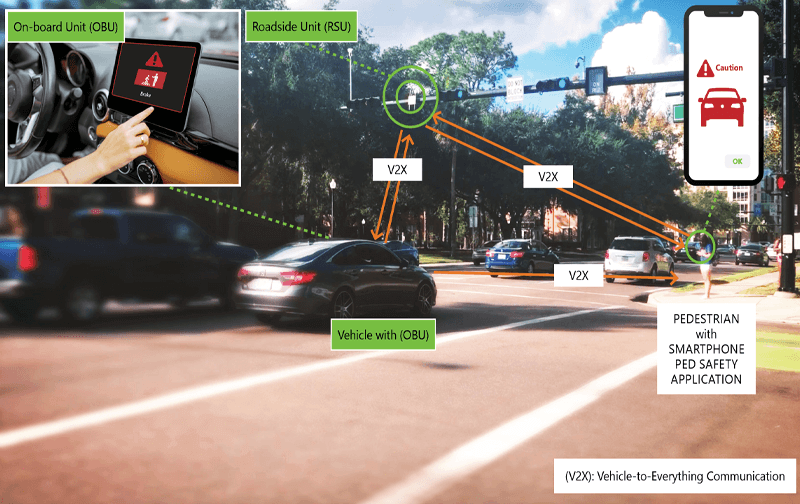
- Connected vehicles (CV) use vehicle‐to‐vehicle (V2V), vehicle‐to‐infrastructure (V2I), and other forms of vehicle‐to‐everything (V2X) communication to exchange information between vehicles, drivers, the roadside traffic control devices, bicyclists, and pedestrians. This capability to communicate enables exchange of real time information such as the position, speed, and direction of a vehicle, or the phase change at a traffic signal. The information is processed in real time to provide drivers with a greater situational awareness of prevailing conditions, such as congestion, incidents, pedestrian presence, and other hazards within the vehicle’s path. Traffic information is presented to the drivers in the form of intuitive and clear alerts, advice, and warnings so that drivers can make better and safer decisions while driving. The exchange of real time information also creates the opportunity to proactively adjust traffic signal timing for servicing transit, emergency response or freight vehicles more efficiently.
- Roadside Units (RSUs) are wireless communications devices that are mounted along a road or pedestrian facility. RSUs are typically mounted on the upright or the mast arms of existing traffic signals. RSUs will be connected to and receive data from the traffic signal controllers and broadcast it to the On‐Board Units (OBUs) within their communications zone. RSUs are also capable of receiving information from the vehicles via the OBUs, e.g., the vehicle’s speed, position, direction, and time. RSUs can exchange information including Signal Phase and Timing (SPaT), Traveler Information Messages (TIM), Personal Safety Messages (PSM), transit/freight signal priority requests, emergency vehicle preemption requests, among others.
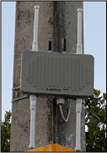
Figure: Roadside Unit (RSU)
- On‐Board Units (OBUs) are devices located in vehicles to collect data from the vehicle (e.g., location, direction and time) and/or provide an interface through which traveler information and warnings can be provided to the driver. OBUs broadcast as well as receive data to/from RSUs and other vehicles equipped with OBUs. OBUs are typically installed in the participating agency vehicles. OBUs are typically mounted under a vehicle seat or inside the center console, trunk, or a glove box of a vehicle. Typically, a tablet is installed as the human machine interface and mounted to the windshield to issue audible and/or visual warnings or alerts to the driver. OBUs are typically installed either as permanent attachment or portable installation. FDOT would also coordinate with partnering agencies to install OBUs on their fleet besides installing on FDOT vehicles.
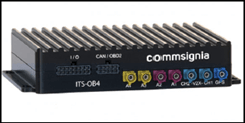
Figure: On-Board Unit (OBU)
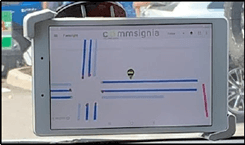
Figure: OBU Tablet
- A Transit Signal Priority (TSP) system uses communication between transit vehicles such as buses equipped with OBUs and the traffic signals. When buses are behind schedule, the TSP system can automatically request additional green time from a connected traffic signal so the bus can have priority to move through the light and get back on schedule.
- Freight (or Truck) Signal Priority (FSP) is a traffic signal modification that extends the green to allow an approaching truck equipped with an OBU to make it through an intersection without stopping. The main purpose for giving trucks extra green time is to increase safety by reducing the potential of running a red light and causing a collision. The secondary purpose is to reduce the delays and congestion that are caused by the longer time it takes trucks to accelerate from a stop.
- Emergency vehicle preemption (EVP) provides a green light for emergency vehicles equipped with OBUs that are enroute to/from an incident scene. By providing a red light to other drivers that may cross the path of the emergency vehicle, EVP can help reduce collisions. EVP aims to improve other drivers’ awareness of emergency vehicles as well as remind them to yield the right‐of‐way, increasing overall safety. It also reduces the travel time for the emergency vehicle to respond to life threatening situations.
- According to USDOT, vehicle crashes claimed more than 37,000 lives in 2018. Connected vehicle technology has the potential to save lives, prevent injuries and reduce crashes. The National Highway Traffic Safety Administration (NHTSA) estimates that 94 percent of serious crashes are due to human error. Connected vehicle technology can mitigate 83 percent of non‐impaired crashes through vehicle‐to‐vehicle communication.
- FDOT has deployed a Security Credential Management System (SCMS) to facilitate secure exchange of messages between RSUs and OBUs. FDOT’s SCMS follows the standard adopted by the USDOT and the national SCMS Manager. FDOT SCMS provides certificate services to secure the messages being broadcast in the FDOT Connected and Automated Vehicle (CAV) ecosystem. RSUs and OBUs are typically enrolled into the statewide SCMS system.
Program Overview
The Florida Department of Transportation (FDOT) TSM&O Software program area is responsible for developing a suite of interconnected, enterprise-grade software systems that ensures a seamless network of ITS functions along Florida's major transportation corridors. The SunGuide® ATMS software serves as the hub of this system providing freeway and incident management, transportation management center interoperability, and data archiving. It unifies the traffic information and management systems for the State of Florida Intelligent Transportation Systems (ITS) network.
Key TSM&O Software Programs



Program Overview
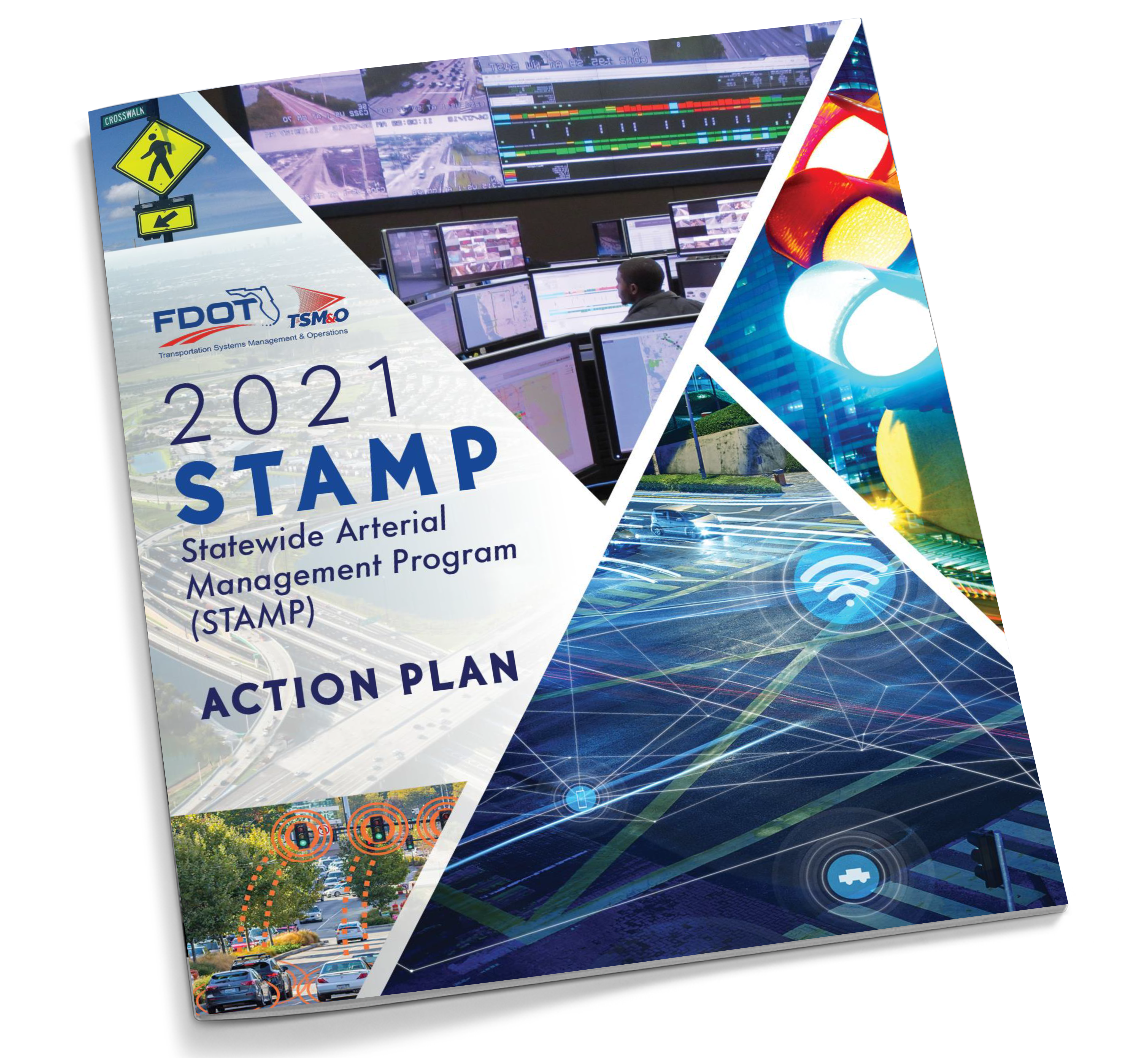
The Florida Department of Transportation (FDOT) Statewide Arterial Management Program (STAMP) was established to support the implementation, management, and operations and maintenance of performance-based arterial networks across the state. As one of six focus areas identified in FDOT's Transportation Systems Management & Operations (TSM&O) Strategic Plan, STAMP serves as a collaborative platform for knowledge sharing to address the safety and mobility challenges faced on arterial roadways. The program emphasizes key TSM&O strategies including active arterial management (AAM), integrated corridor management (ICM), and automated traffic signal performance measures (ATSPM) to ensure safe and efficient arterial networks. STAMP also addresses critical infrastructure needs such as intelligent transportation systems (ITS), transportation management center (TMC) operations, and ongoing maintenance requirements to effectively support TSM&O strategies on arterials. Ultimately, the goal of STAMP is to achieve improved throughput, efficient multi-modal operations, reduced travel time, enhanced traffic and bicycle/pedestrian safety, and increased system uptime as envisioned in the TSM&O Strategic Plan.
Initiatives
STAMP Action Plan
The 2021 STAMP Action Plan provides outcome-based actions intended to guide the collective arterial management efforts as well as the documentation progress. The STAMP Action Plan encourages the exchange of experiences, including collaboration and coordination. There is a total of five (5) Focus Areas to twenty-five (25) Action Items that are designed to guide the implementation process.
- Infrastructure Upgrades
- Operations and Maintenance
- Emerging Technologies
- Performance Assessment
- Data Management
Traffic Signal Maintenance and Compensation Agreement
The Traffic Signal Maintenance and Compensation Agreement (TSMCA) governs the traffic signal control devices on state arterials that are operated and maintained by local agencies. The agreement outlines the devices, maintenance requirements, compensation values and reporting standards for these devices.
Traffic Signal Controller Health Monitoring System
The Traffic Signal Controller Health Monitoring Systems (TSC HMS) is a web-based system that monitors networked state highway system traffic signal controllers in real-time. The system supports the overall health of the state signal system by monitoring the health and preemption status of each connected controller and alerting users when the signal goes dark, into flash, or has any operational alarms.
Documents
District Arterial Management Programs
Education
- The practice of applying mitigation tools to major signalized arterials to identify crashes, causes of corridor backups, and maintenance issues that impact safety and capacity.
- A system that monitors signal performance by logging a suite of performance measures and using analysis tools to support signal management, operations, and maintenance.
- They adapt to real-time traffic conditions by continuously changing the green time movements received based on traffic demand. Using ASCT promotes mobility by decreasing both delay and congestion at signalized intersections, and by reducing the amount of wasted green time.
- A collection of operational strategies that support managing a transportation corridor as a system in an integrated and coordinated manner, rather than managing facilities or modes individually.
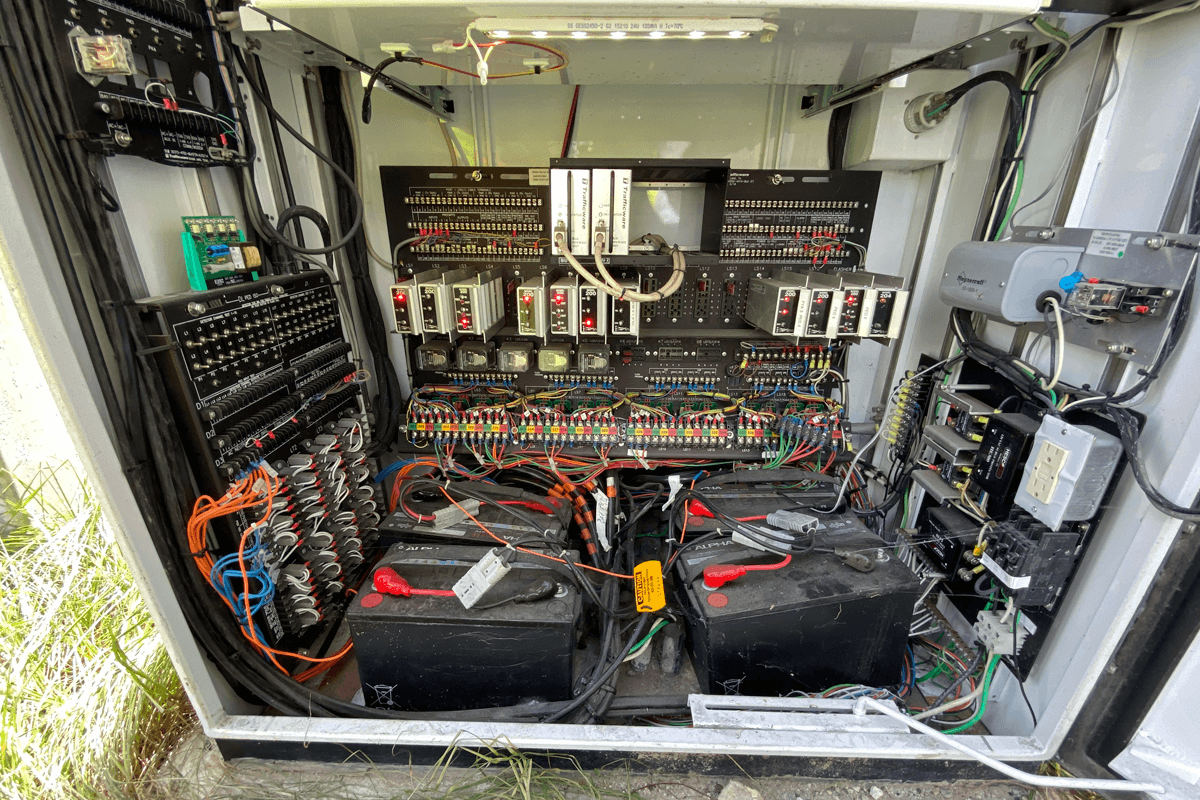
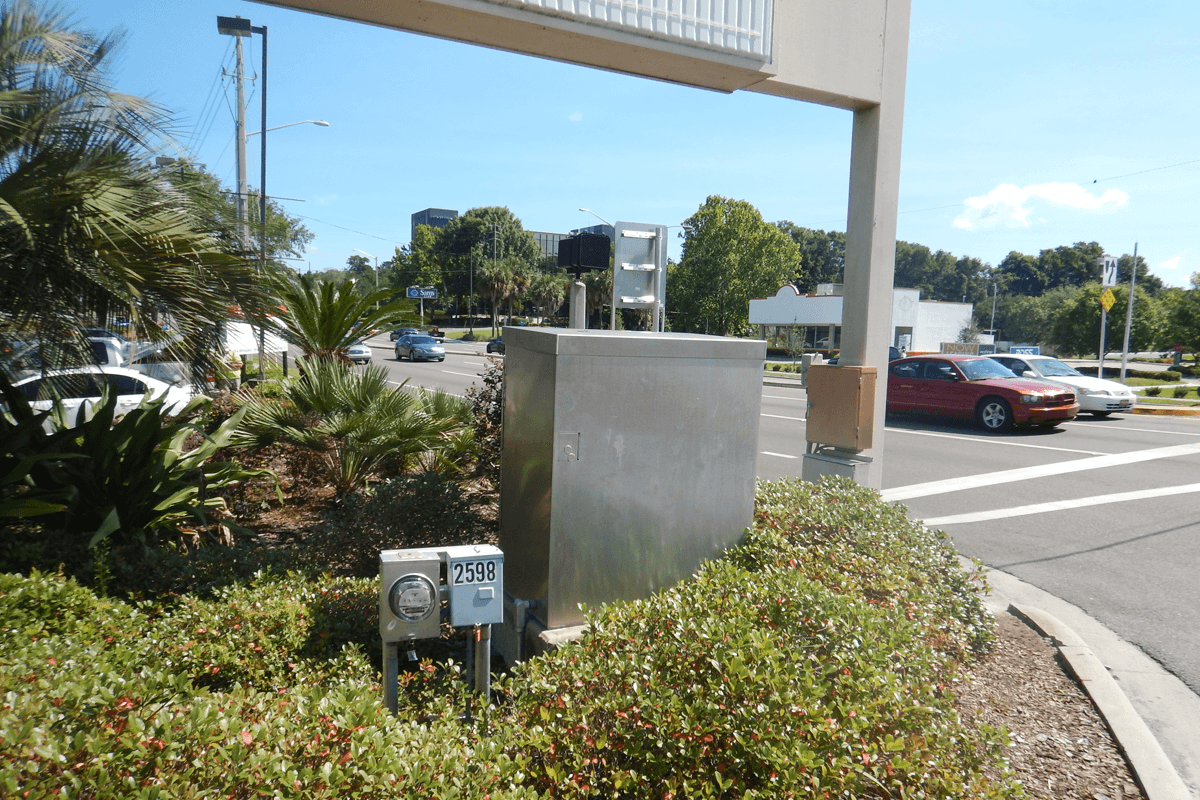
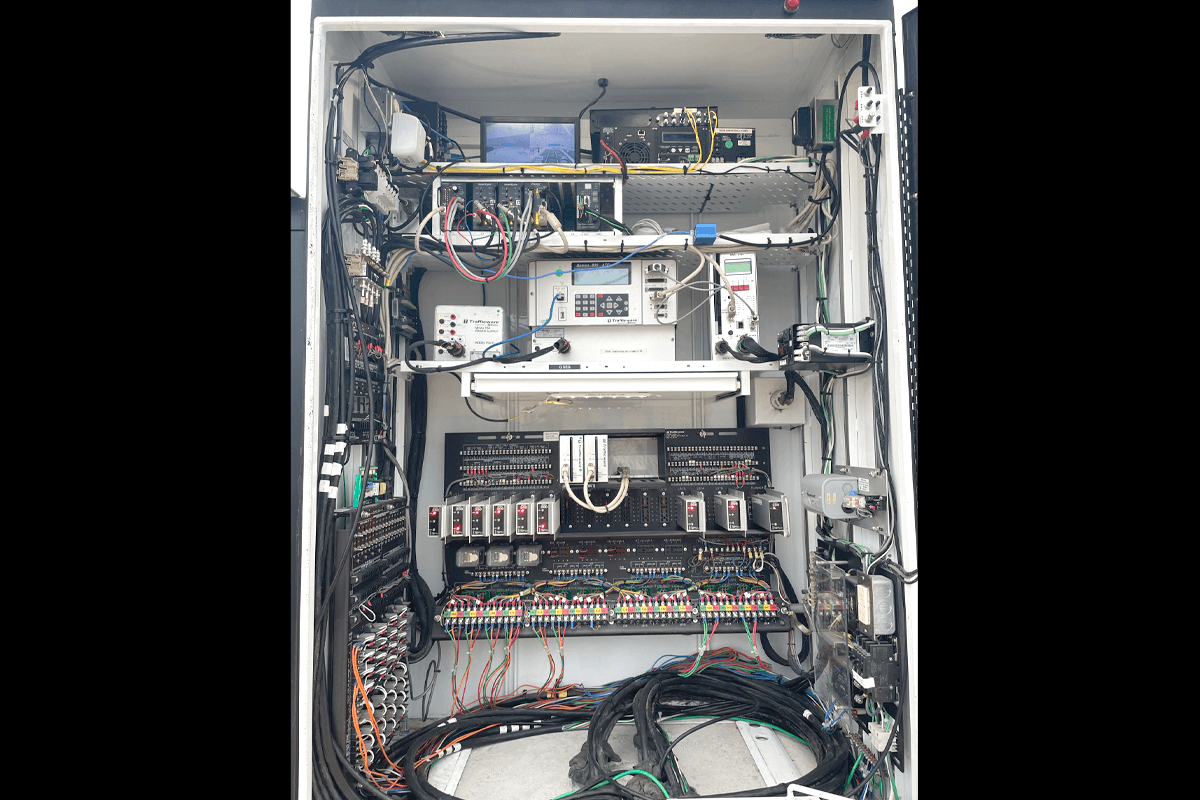
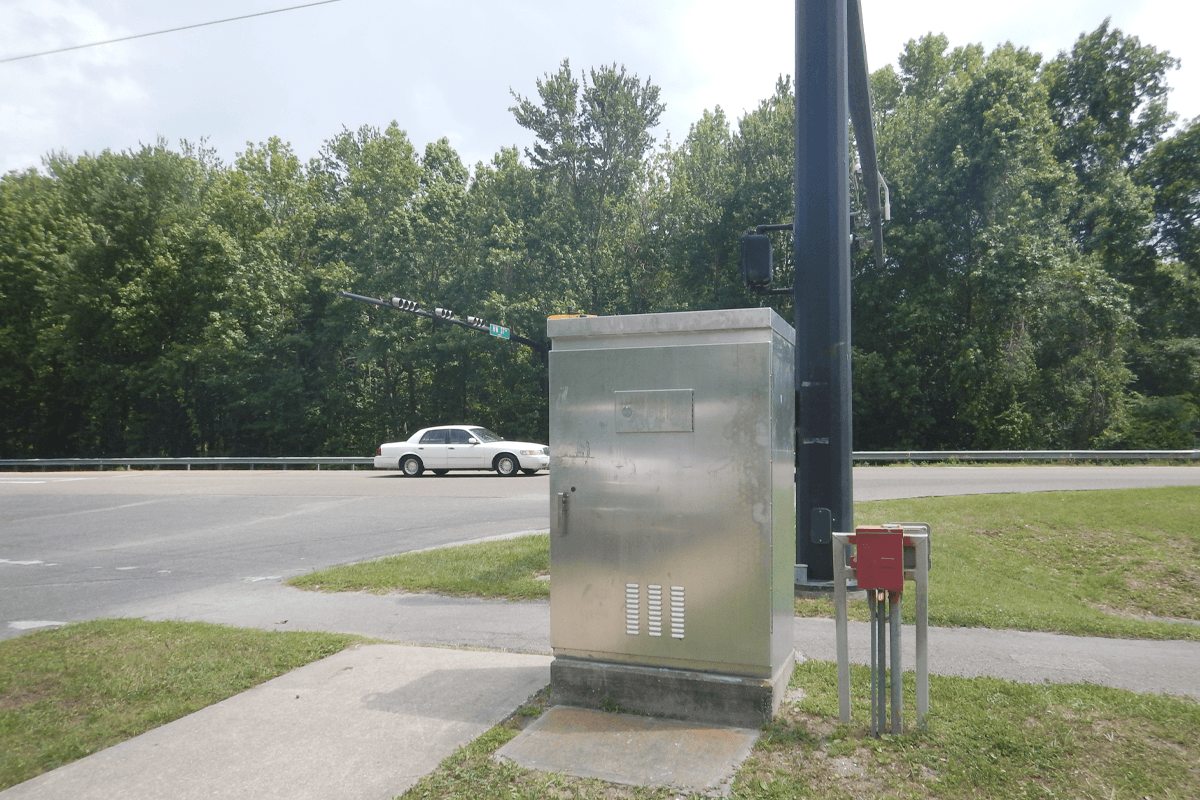
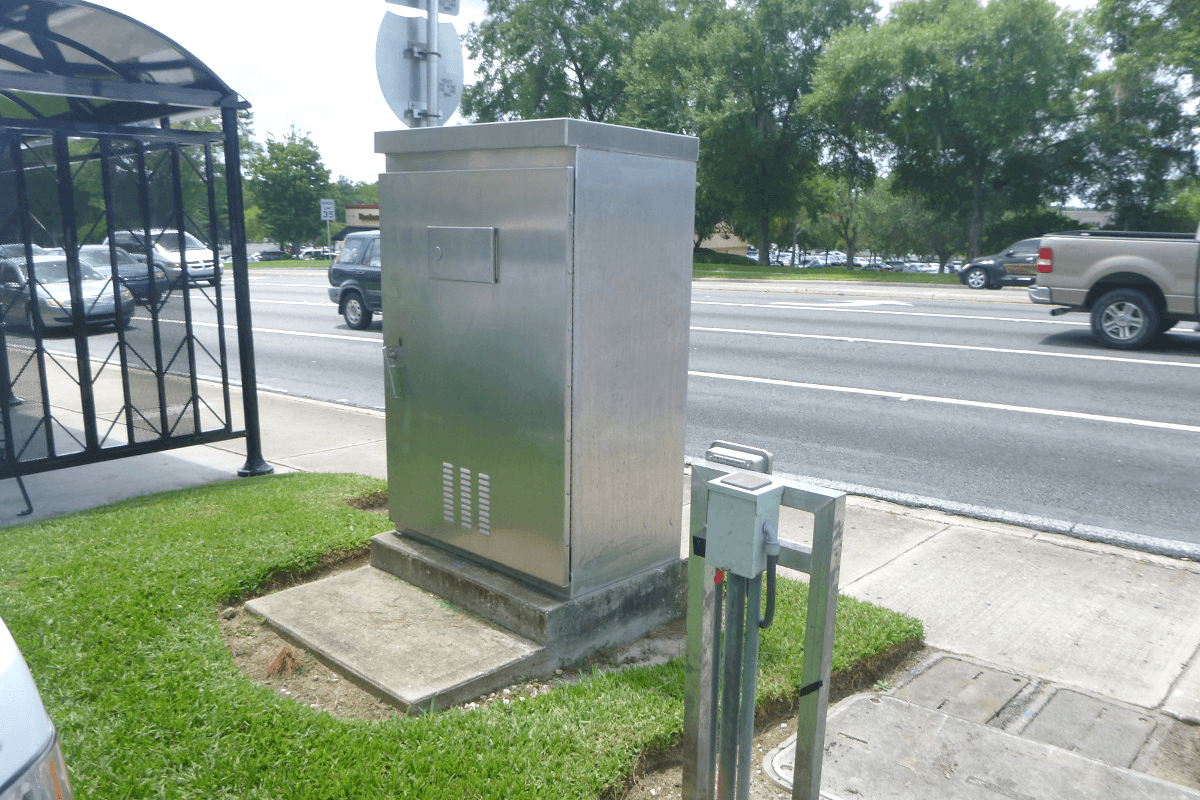
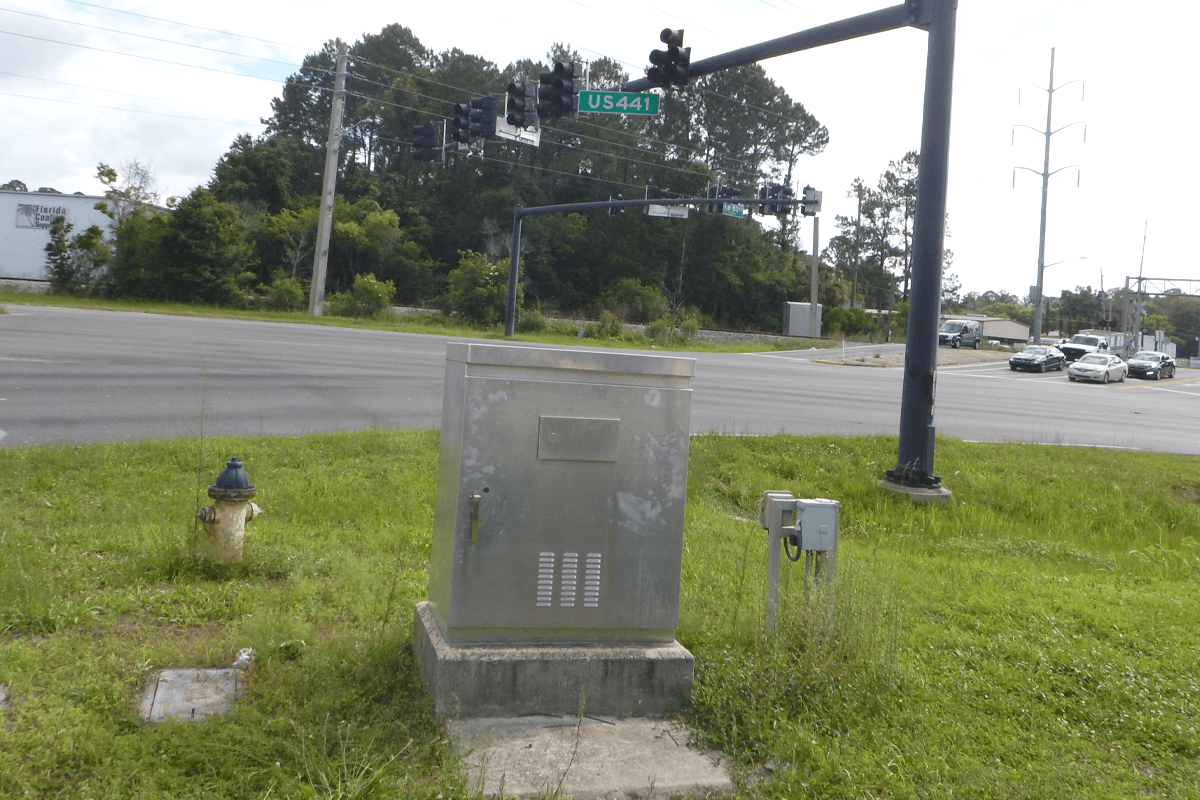
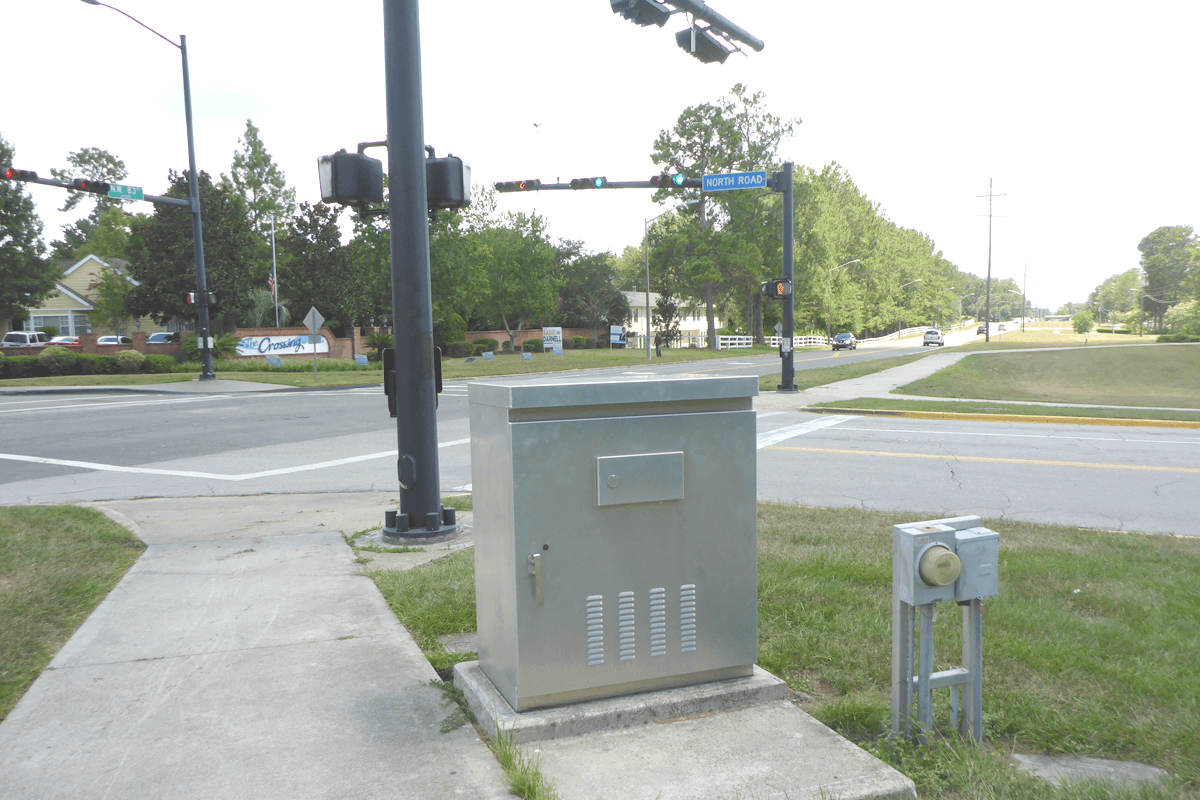
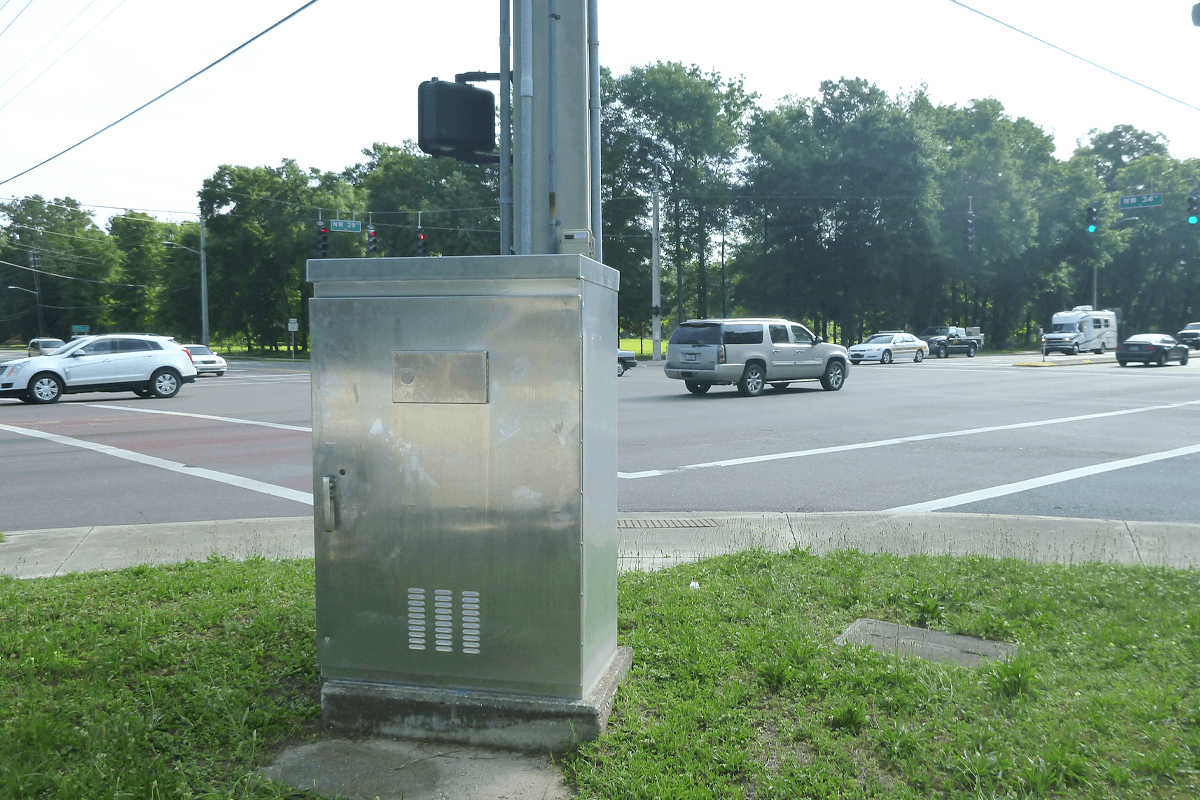
Basic Elements of a Traffic Signal
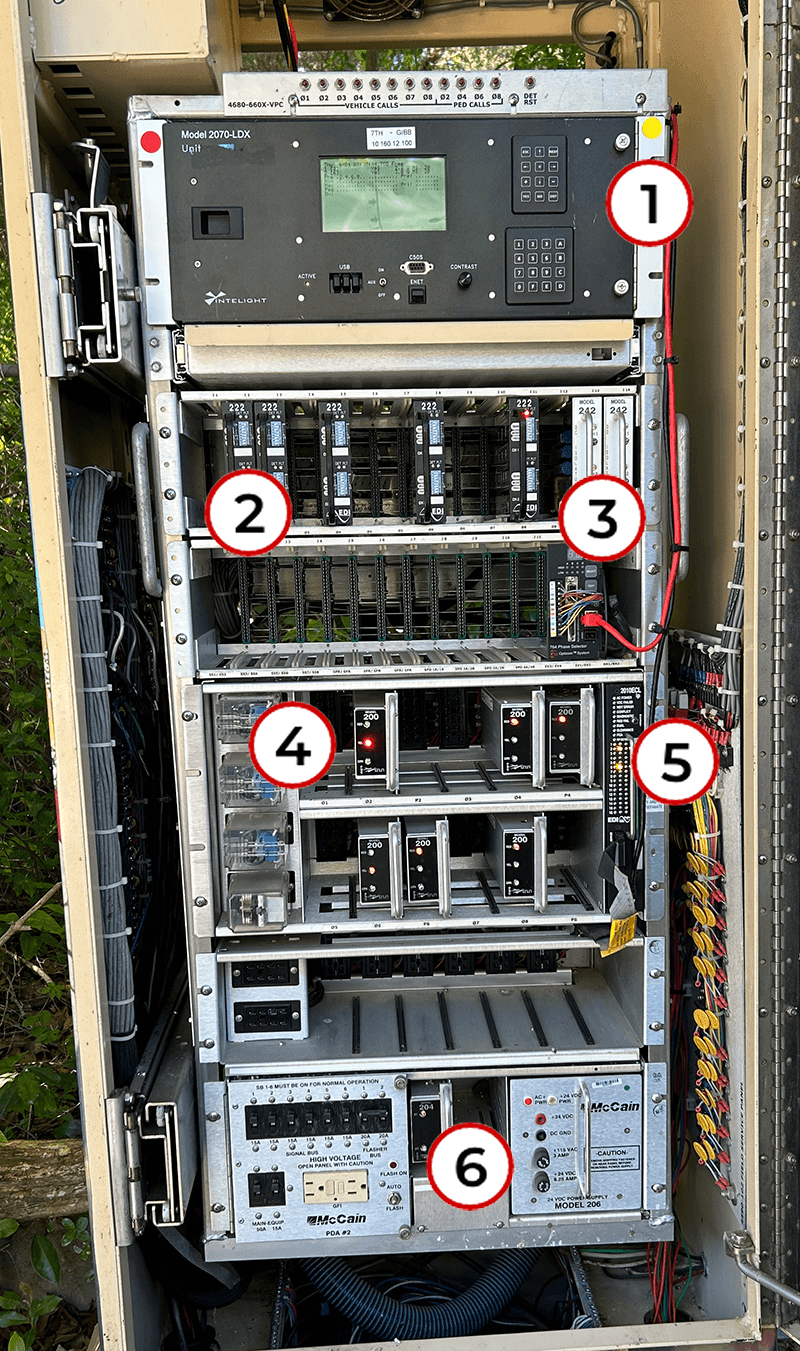
 Traffic Signal Controller: alternates service between conflicting traffic movements by assessing green time.
 Loop Detector: places a call to the controller when a vehicle is detected by an inductive loop or camera.
 Pedestrian Detector: places a call to the controller to service the pedestrian phase when a pedestrian is detected.
 Load Switch: uses a low-voltage output from the controller to turn signal displays on or off.
 Malfunction Management Unit (MMU): checks for conflicting indications and places the intersection into flashing red if a malfunction is detected.
 Flasher(s): place the signal into flashing yellow or red when necessary, such as during power loss or malfunction.
Training
The STAMP supports the development and dissemination of training related to traffic signals and arterial management. See the Traffic Engineering and Operations Office training page for access to those courses.